
Logo
EN
EN
RU
UA
  • About Us
    • About the Company
    • Team
    • Reviews
    • Vacancies
    • Contacts
    • Partners
    • Cooperation
  • Logistics
    • Air Delivery
    • Rail Freight
    • Sea Freight LCL
    • Container FCL Shipments
    • Multimodal Transport
  • Services in China
    • Product and Factory Sourcing in China
    • Contract Manufacturing in China OEM/ODM
    • China Product Inspection & Factory Audit
    • Procurement Outsourcing in China
    • China Purchasing Agent for Bulk Orders
    • Marketplace Seller Services in China
    • China Business Support: Trade Shows & Factories
    • China Export Agent Service
  • Blog
    • Articles
    • Case Studies
    • Video Releases
    • We're in the media
    • FAQ Answers
  • ✨ AI Help
    • AI Idea Generator
    • AI Exhibition Search Assistant
    • Virtual Logistician
    • Volume and Density Calculator
    • Container Loading Calculator
+86(138)0242 8487
Telegram | Whatsapp
Logo
  • Home
  • Blog
  • How to Inspect Products and Factories in China Before Payment

How to Inspect Products and Factories in China Before Payment

Dmytro Bilousov
Dmitry Belousov, CEO ECB
11+ years of experience in contract manufacturing in China: White Label, OEM/ODM, 3D models and molds, quality control (QC).
Languages: EN, CN, RU, UA, TR

Published on: 11.07.2026
Product inspection in China is the control of the batch, supplier, and production before the final balance is paid and the cargo is handed over to the logistics provider.
For a B2B importer, this is not a formality, but a way to stop defects, shortages, material substitutions, labeling errors, and factory-related risks while the goods are still in China.

In brief: the minimum safe setup for a new supplier is supplier verification in China plus a final product inspection before paying the balance.
For OEM/ODM, private label, and large batches, it is better to add a factory audit in China, PPI, DUPRO, FRI/PSI, and container loading supervision.

Video case: projector factory audit in China

In this guide:

  • 1. Key Terms Every Importer Should Know.
  • 2. What Product Inspection in China Is.
  • 3. What Risks Product Inspection in China Covers.
  • 4. Product Inspection, Factory Audit, and Legal Check: What’s the Difference.
  • 5. Types of Inspections in China and When They Are Used.
  • 6. How the PASS / FAIL / HOLD Decision Is Made
  • 7. What Product Quality Control in China Includes.
  • 8. When Inspection Is Enough and When a Factory Audit Is Needed.
  • 9. Legal Company Check in China: Why It’s Needed Before Payment.
  • 10. Example of a QC Inspection Report Structure.
  • 11. Why Quality Control in China Should Be Part of a System.
  • 12. FAQ: Common Questions About Product and Factory Inspection in China.
PPI
before production
DUPRO / FRI
during and after production
PSI / CLI
before shipment and loading

Key terms every importer should understand

QC / Quality Control — quality control of a specific product or batch. It helps determine whether the goods meet the specification, sample, packaging, labeling, and acceptance requirements.
QA / Quality Assurance — quality assurance at the process level, not just the final check. It is a system that reduces defect risk before the goods even reach inspection.
PPI / Pre-Production Inspection — inspection before production starts. Raw materials, components, packaging materials, line readiness, and compliance with the planned specification are checked.
DUPRO / During Production Inspection — inspection during production. It is needed to catch the first defects while part of the batch can still be corrected without stopping the project entirely.
IPC / In-Process Inspection — control during production at one or several stages. It is used when it is important to track quality not only at the end, but during assembly, sewing, molding, or packaging.
PSI / Pre-Shipment Inspection — inspection before shipment. The finished batch is checked before being handed over to the logistics provider: quality, quantity, packaging, labeling, and documents.
FRI / Final Random Inspection — final random inspection of the finished batch. The inspector checks a sample of the goods according to sampling rules and issues a decision: PASS, FAIL, or HOLD.
AQL / Acceptable Quality Limit — the acceptable quality level in a sample inspection. It shows how many defects are allowed in the sample, but it does not mean 100% inspection of every unit.
CLI / Container Loading Inspection — inspection during container loading. The inspector records the number of cartons, SKU, packaging condition, loading process, and seal number.
CLS / Container Loading Supervision — supervision of container loading. It is essentially close to CLI: it is needed to make sure the agreed goods are what actually goes into the container.
Factory Audit — a factory audit before placing an order or scaling a batch. Production, equipment, warehouse, personnel, QC system, documents, and the factory’s real ability to fulfill the order is checked.
Terms for importing from China

Show all terms:

Supplier Verification — supplier verification before payment or signing a contract. It helps determine who you are dealing with: a real factory, a trading company, an intermediary, or a risky counterparty.
Legal Company Check — legal verification of a Chinese company. Registration, business license, address, scope of activity, and consistency of the company name in the invoice, contract, and documents are checked.
Business License — the business license of a Chinese company. This is the basic document confirming the supplier’s legal existence and permitted activity.
Golden Sample — the approved reference sample of the product. The production batch is compared against it: materials, color, assembly, configuration, packaging, and functionality.
QC Checklist — a quality control checklist tailored to a specific product. It records exactly what to check: dimensions, weight, tests, packaging, labeling, defects, and acceptable tolerances.
Critical Defect — a critical defect related to safety, legal compliance, or complete unusability of the product. Such defects usually have zero tolerance: the batch must not be shipped before correction.
Major Defect — a major defect that affects sales, function, or appearance of the product. Such a defect can lead to returns, customer complaints, marketplace suspension, or a dispute with the buyer.
Minor Defect — a minor defect that does not affect the product’s function. For example, a light scratch, a slight color deviation, or a small cosmetic imperfection within acceptable limits.
PASS — the batch passed inspection against the agreed criteria. This is not an absolute guarantee of zero defects, but a decision that the checked sample meets the acceptable quality level.
FAIL — the batch did not pass inspection. This is usually grounds to stop shipment, withhold the balance, request rework, replacement, sorting, or a reinspection.
HOLD — the decision is temporarily suspended pending clarification or correction. This status is used when additional photos, tests, supplier comments, or client approval are needed.
CAPA / Corrective & Preventive Actions — a corrective and preventive action plan. It shows what the factory is fixing now and how it will prevent the same mistake from recurring in future batches.
Packaging & Labeling Inspection / PLI — inspection of packaging and labeling. The inspector checks cartons, stickers, barcodes, instructions, SKU, country of origin, and marketplace requirements.
SKU — a unique product code. It is needed to avoid mixing up models, colors, sizes, configurations, and batches during production, inspection, and loading.
Packing List — the packing list for the batch. It specifies cartons, quantity, weight, volume, and cargo structure, which are checked during inspection and shipment.
Commercial Invoice — a commercial invoice. This document contains the seller, buyer, product, value, and deal terms, and is required for payment and customs clearance.
Purchase Order / PO — a production or purchase order. It records the product, quantity, price, lead times, packaging, quality requirements, and delivery terms.
Specification / Spec — the technical specification of the product. The more precisely it is written, the fewer disputes there are with the factory over materials, dimensions, functions, packaging, and quality.
Bill of Materials / BOM — the list of materials and components. It is especially important for OEM/ODM, electronics, furniture, textiles, and products where the supplier may quietly replace components.
What Is Product Inspection in China?

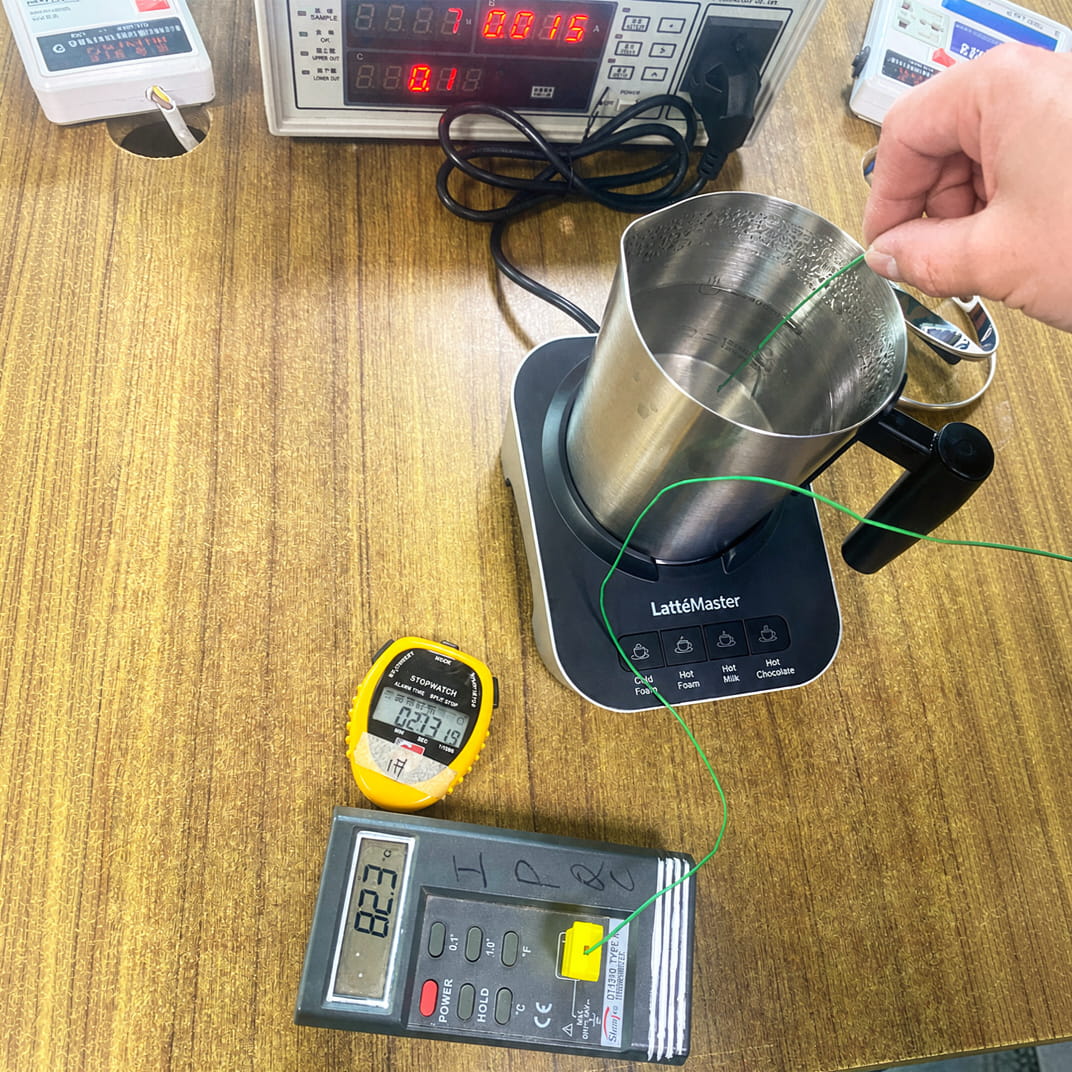
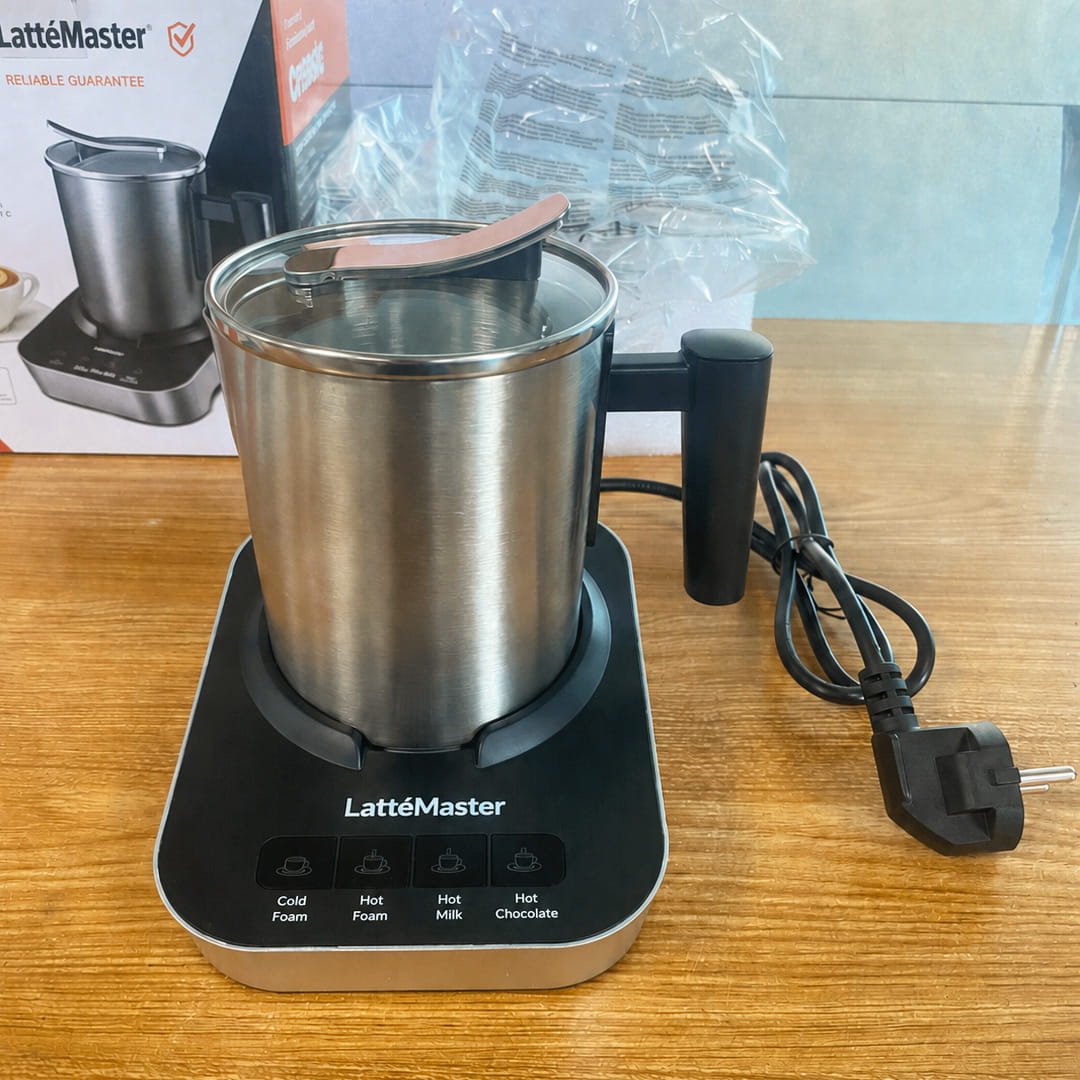
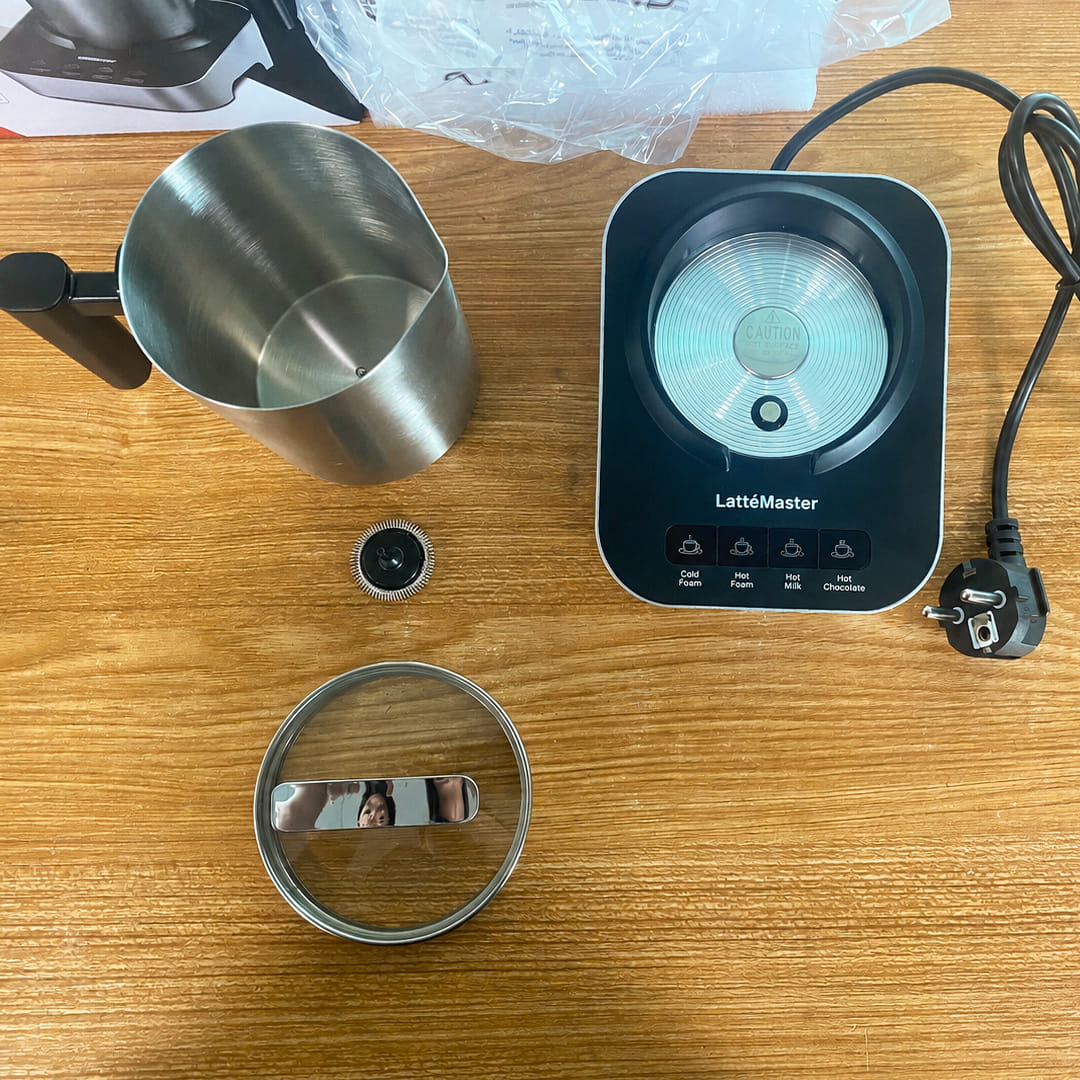
Inspection of cappuccino machines within OEM manufacturing in China
Audit of private-label cappuccinatore manufacturers
Testing private-label cappuccinatore machines at a factory in China
Manufacturing products in China under the client’s brand
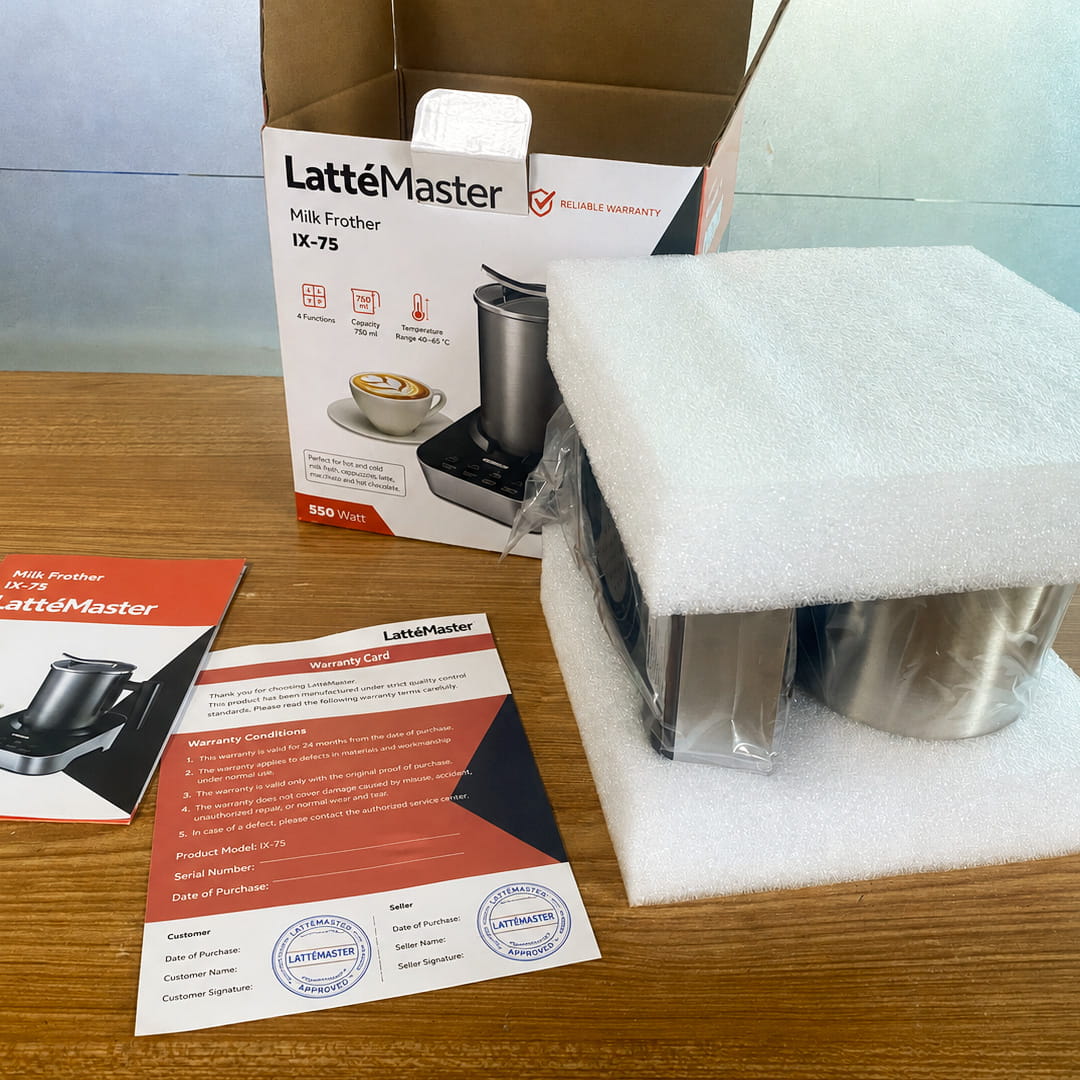
How cappuccinatore machines are packaged at a factory in China
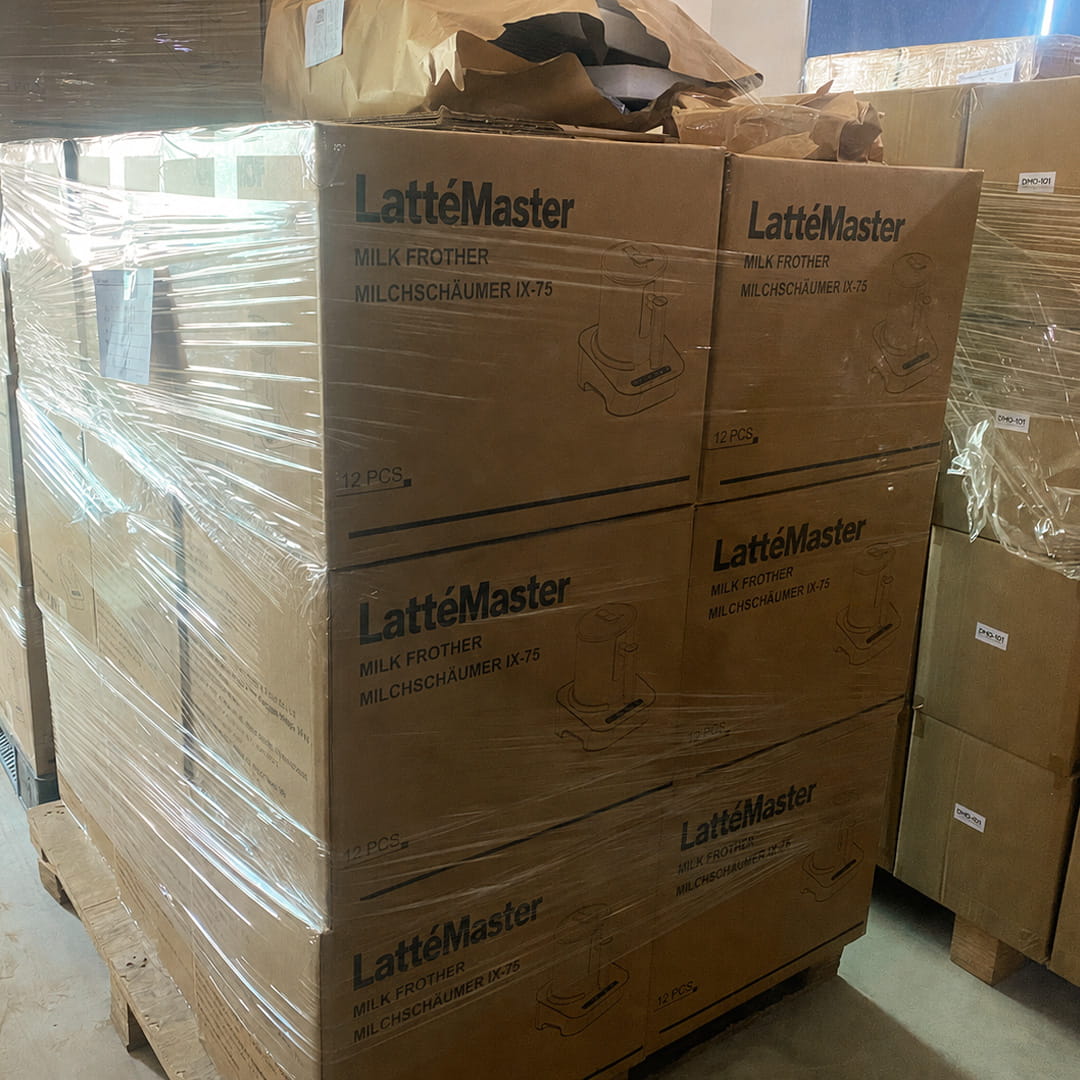
Case study: inspecting cappuccinatore machines at a factory in China
Product inspection in China is an independent check of a specific batch of goods before the final balance is paid, the cargo is handed over to the logistics provider, or the container is loaded. In practice, it includes checking quantity, appearance, dimensions, weight, functionality, completeness, packaging, labeling, barcodes, instructions, and conformity with the approved sample.
For a B2B importer, this is not a formality. If a defect is discovered only at a warehouse in Ukraine, the EU, or the US, it turns into a dispute with the supplier, returns, storage, disposal, reputational damage, and cash flow disruption. If China product inspection finds the issue before shipment, there is still time to stop payment, request rework, replace part of the batch, or renegotiate the terms.
This is especially important when buying through a new counterparty: supplier verification in China reduces risk before the deposit, and batch inspection reduces risk before the final payment.

Risks covered by China product inspection

Defects and Quality Fade: the supplier gradually downgrades materials, fittings, packaging, or assembly after the first sample is approved.
Quantity shortages: there are fewer units in the boxes than stated in the invoice and packing list.
Specification substitution: different plastic, metal, fabric, electronic components, firmware, or configuration.
Packaging and labeling errors: incorrect barcodes, country of origin, instructions, SKU, color stickers, certification marks.
Customs and marketplace issues: the goods may be physically fine, but not ready for sale from a legal or documentation standpoint.
“Pocket supplier” risk: the factory shows one thing, produces another, and the real subcontractor remains outside your control.

Product inspection, China factory audit and supplier verification: the difference

Importers often mix product quality control China, factory inspection China, China factory audit and legal company verification. These checks solve different problems and should not replace each other.
Verification
Main question
What is checked
When it is needed
Product / batch inspection
Does this specific batch meet the requirements?
Quality, quantity, packaging, labeling, functionality, defects, conformity with the Golden Sample
Before paying the balance, before shipment, during the first delivery, for recurring batches
Factory verification / factory audit
Can the factory consistently produce the required product?
Production, equipment, processes, QC system, warehouse, personnel, experience, certificates
Before the first order, before an OEM/ODM project, for a large batch, or with a new supplier
Supplier verification in China
Is this a real supplier, and can we work with them?
History, reputation, documents, export experience, connection to the factory, signs of an intermediary or trading company
Before paying the deposit and before sharing commercial information
Legal company verification
Does the company legally exist, and who is responsible?
Business license, registration data, legal entity, address, scope of activity, legal/credit risks if data is available
Before the contract, deposit, OEM/ODM, mold development, branding
Conclusion: a factory audit does not replace product inspection. A factory may look strong during an audit, but the specific batch can still arrive with defects, shortages, or incorrect labeling.
A safe setup for a B2B importer looks like this: first, supplier verification in China and basic legal verification; then, if needed, a production audit; and after that, quality control in China for the specific batch before paying the balance and shipping.
If you need more than just an inspection order — if you also want to negotiate in person, visit a factory, market, or trade show — it makes sense to add business support in China: the team helps prepare the meeting route, verify production sites, and document agreements with suppliers on the spot.

Types of inspection services in China

For quality control in China to work as a process, not a reaction, the inspection stage must match the project risk. A simple repeat order may need FRI/PSI only. A pre shipment inspection China request should be scheduled when the goods are finished, packed and still accessible at the factory. A new product, OEM/ODM or private label project needs more control points.
Type of check
When it is carried out
What is checked
When to use it
What the client receives
PPI — Pre-Production Inspection
Pre-production inspection
Before production starts
Raw materials, components, samples, packaging materials, line readiness, production plan
New product, OEM/ODM, complex specification, risk of material substitution
Photo/video report, list of pre-launch risks, recommendations on control points
DUPRO — During Production Inspection
Inspection during production
When approximately 10–20% of the batch is ready
First produced units, quality stability, in-process defects, production pace
Large batch, first order, tight deadlines, risk of defect accumulation
Early detection of defects, opportunity to fix the issue before the batch is completed
FRI — Final Random Inspection
Final random inspection
When the batch is ready and packed at least 80–100%
AQL sample1, appearance, dimensions, weight, functionality, packaging, labeling, quantity
Baseline standard before balance payment and shipment
PASS / FAIL / HOLD decision, defect photos, recommendations for rework
PSI — Pre-Shipment Inspection
Pre-shipment inspection
Before handing over to the logistics provider or sending to the port
Batch conformity with the specification, readiness for shipment, packaging, labeling, documents
Any significant shipment, especially the first order from a supplier
Documented basis to ship, rework, or withhold payment
CLI / CLS — Container Loading Inspection
Container loading supervision
On the day the cargo is loaded into the container
Number of cartons, packaging condition, SKU match, seal, process photos, cargo placement
High-value batch, risk of substitution, multiple SKUs/suppliers, consolidated cargo
Confirmation that the cargo was loaded correctly and that the agreed goods went into the container
Factory Audit
Factory audit
Before placing an order or before scaling up
Legal entity, production, equipment, processes, warehouse, QC, certificates, team
New supplier, OEM/ODM, regular production, expensive goods
Assessment of whether the factory can be trusted with production and money
Legal Company Check
Legal company verification
Before paying the deposit and signing the contract
Registration, business license, address, scope of activity, legal connection to the factory
New counterparty, large deposit, mold/tooling development, branding
Understanding who to contract with and who bears legal responsibility

AQL: how sample size and acceptable defects are determined

1AQL stands for Acceptable Quality Limit, meaning the agreed threshold of allowable defects in a sample. AQL does not mean that the permitted defect rate can be automatically applied to the entire batch.
The sampling plan may be based on ISO 2859-1:2026 or ANSI/ASQ Z1.4. These standards are used for acceptance sampling of lots by attributes.
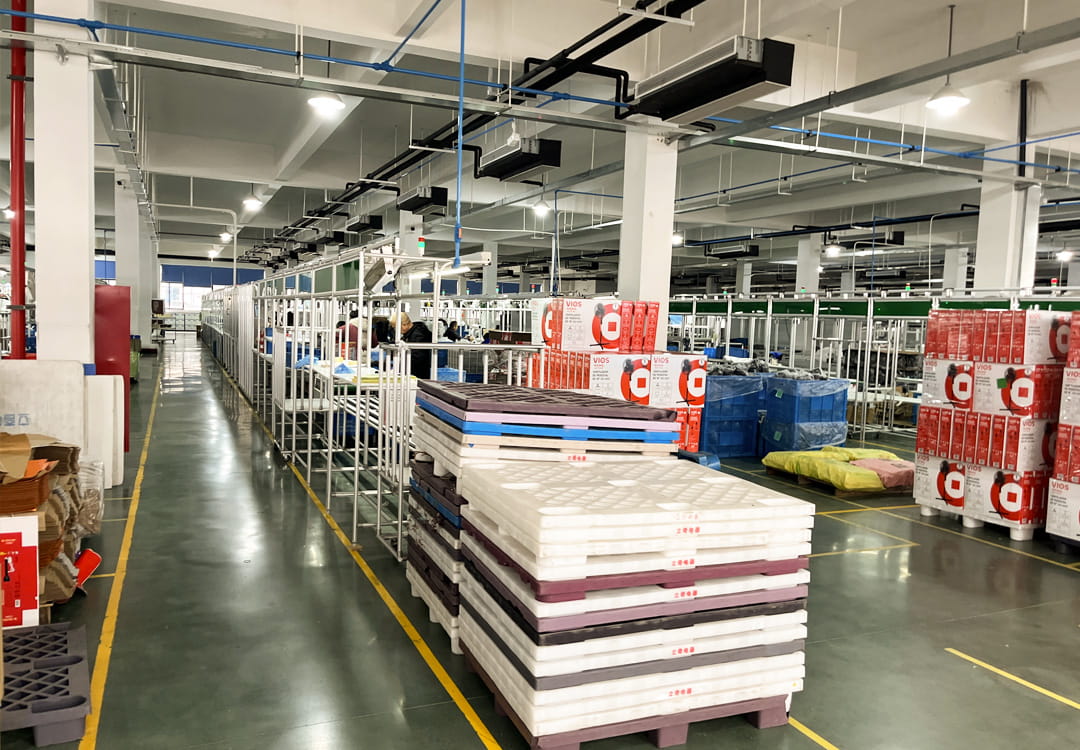
Factory audit of kitchen appliance production in China
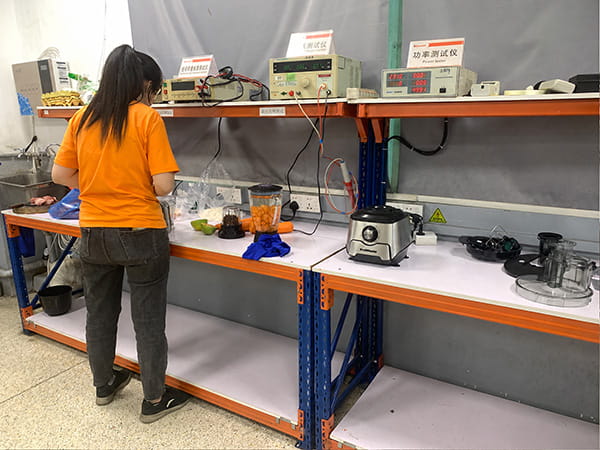
Blender testing at a factory in China
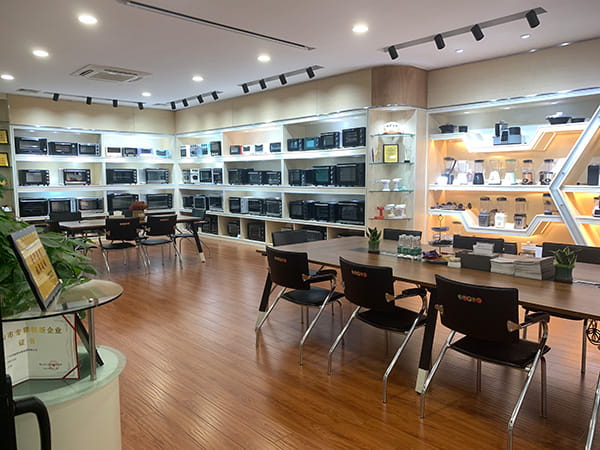
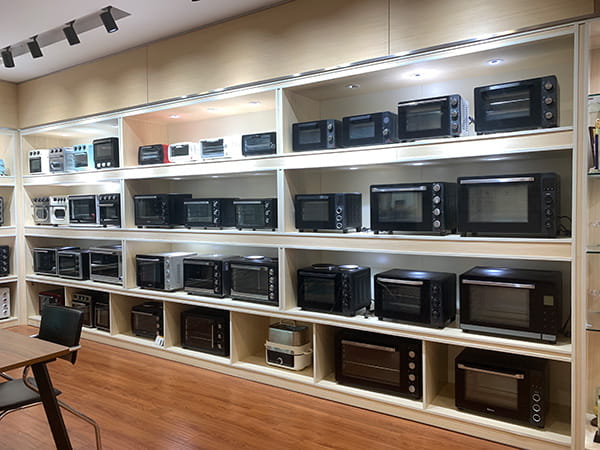
Showroom of a factory producing small household appliances in China
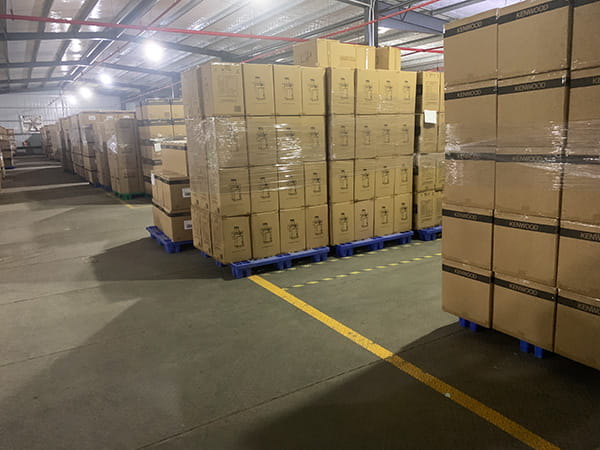
Factory warehouse in China with finished goods
Factory audit of small household appliance production in China

NOT SURE WHICH TYPE OF INSPECTION YOU NEED?
Send us the product, supplier, production stage, and destination country. We will advise which type of inspection is needed: FRI/PSI, factory audit, DUPRO, or loading supervision

How to read PASS / FAIL / HOLD

A quality inspection report should end not with a vague “overall okay” comment, but with a clear decision. For the client, it is important not only to see the defects, but also to understand what to do about payment, shipment, and the claim to the supplier.
PASS
The batch passes the agreed checklist and stays within acceptable tolerances. You can prepare the balance payment and shipment.
FAIL
The batch does not pass inspection. Rework, replacement, repair, a discount, or a reinspection should be requested.
HOLD
The decision is on hold. Clarifications, additional photos/videos, tests, approval of deviations, or negotiations with the factory are required.

What Product Quality Control in China Includes

Professional product quality control in China should be carried out not not by eye, but against a pre-agreed checklist. 

Without a checklist, the inspector sees only obvious defects, but may miss what is critical for your business: packaging color, set completeness, instructions in the required language, material density, connector type, batch labeling, QR code, or marketplace requirements.

  1. Quantity check: verification of the actual quantity against the invoice, packing list, and order.
  2. Visual inspection: scratches, chips, stains, uneven surfaces, color, seams, printing, assembly quality.
  3. Dimensional and weight check: control measurements with a tape measure, caliper, scales, or other tools.
  4. Functional testing: power-on, load testing, basic usage scenarios, completeness and compatibility.
  5. Packaging inspection: individual, retail, and transport packaging, carton strength, protection during transit.
  6. Labeling inspection: SKU, EAN/UPC, country of origin, warnings, instructions, certification marks.
  7. Photo and video documentation: evidence of defects, packaging, contents, labeling, and batch condition.
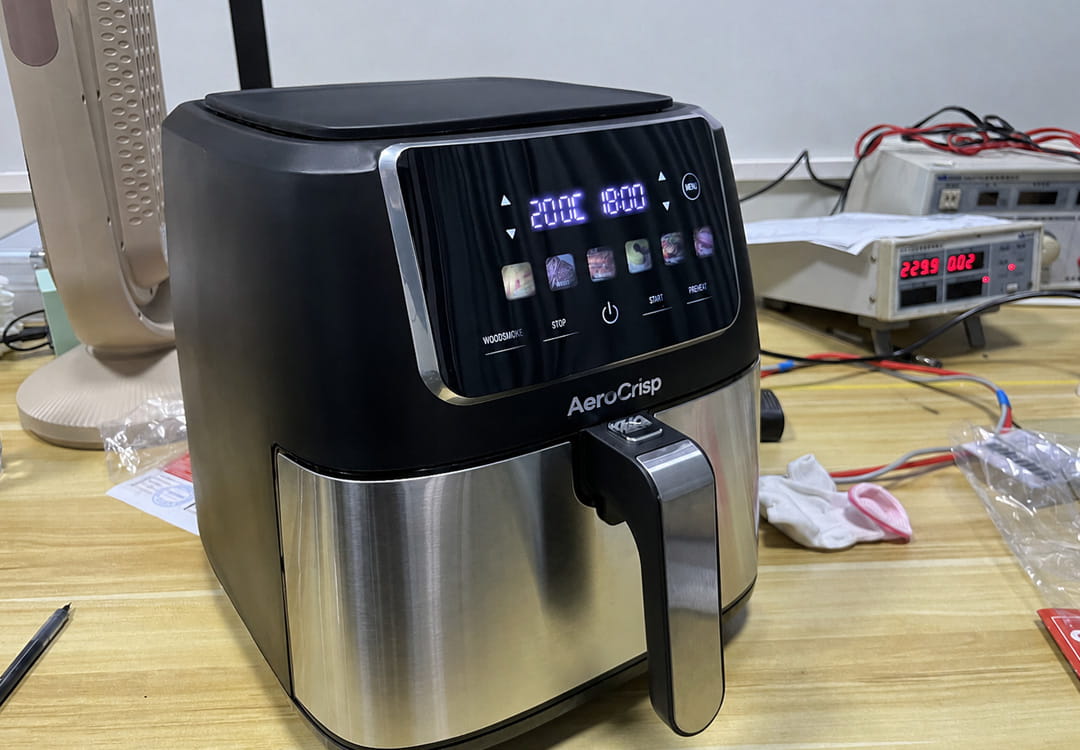
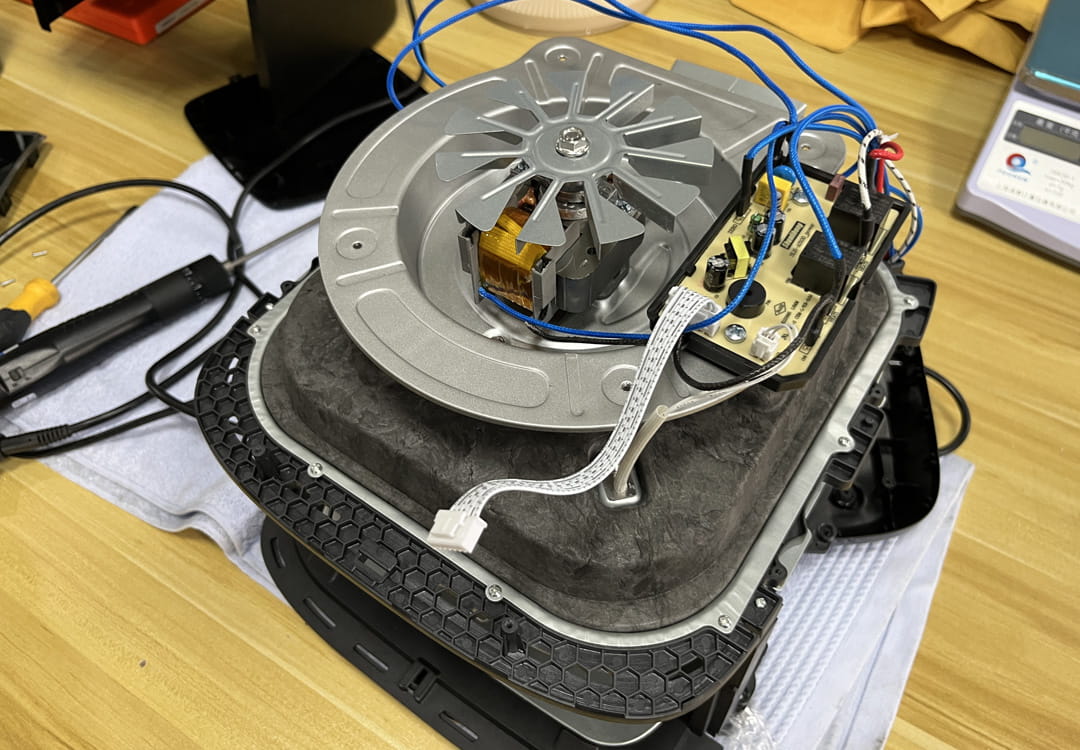
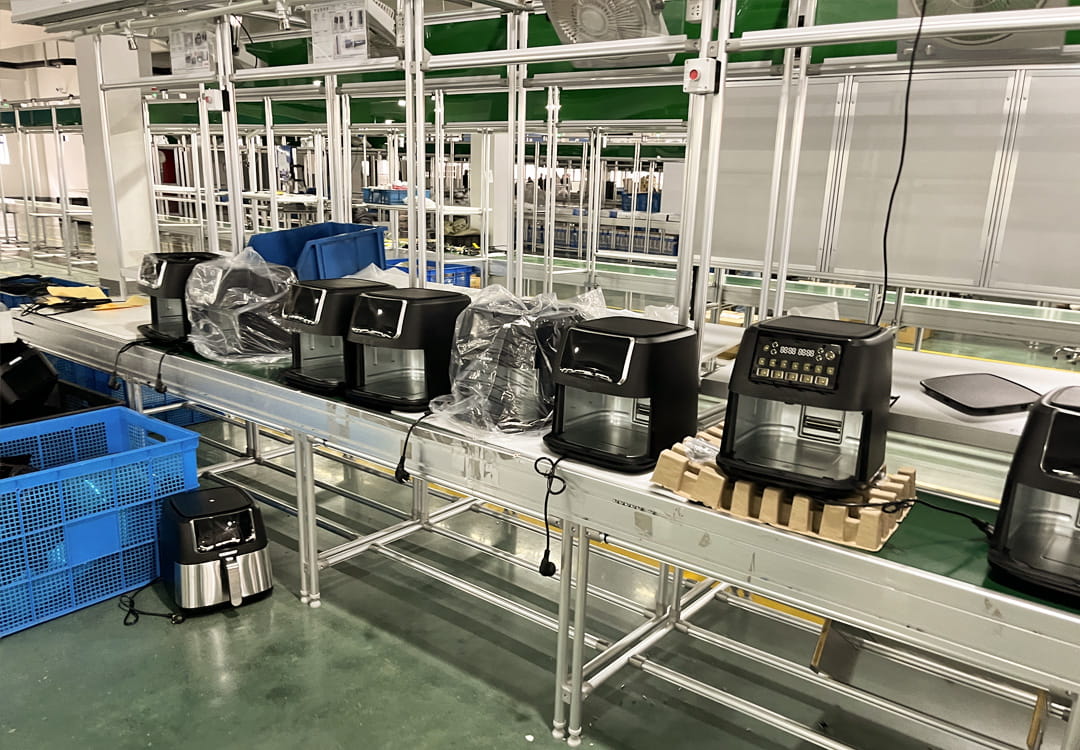
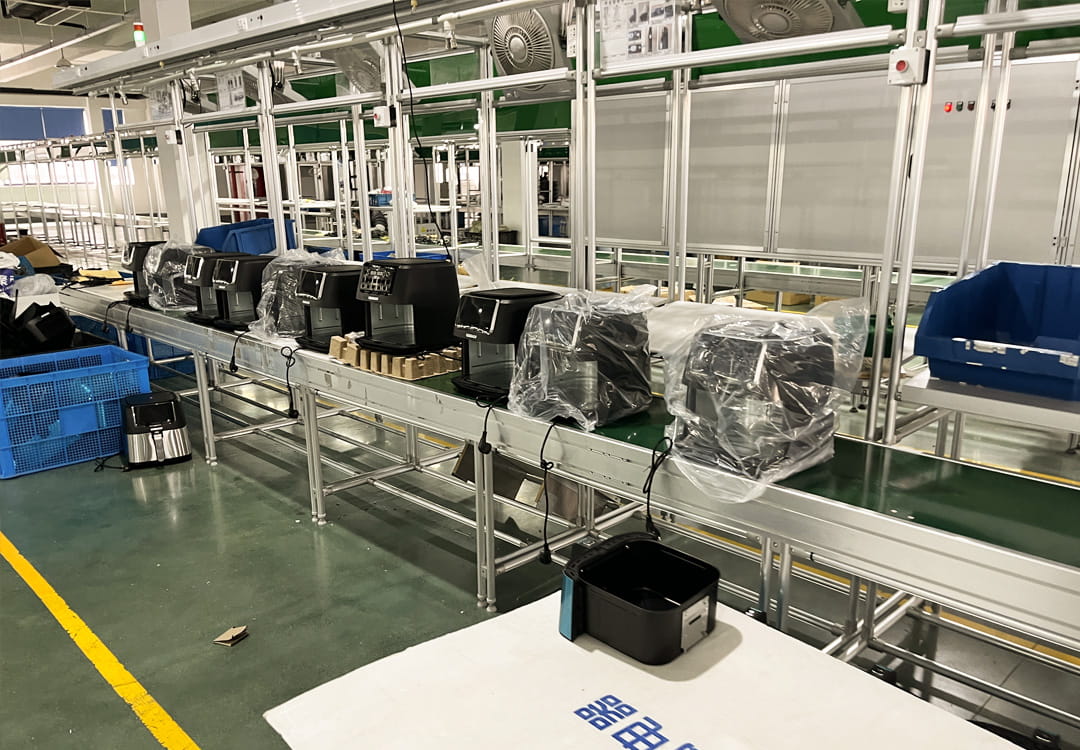
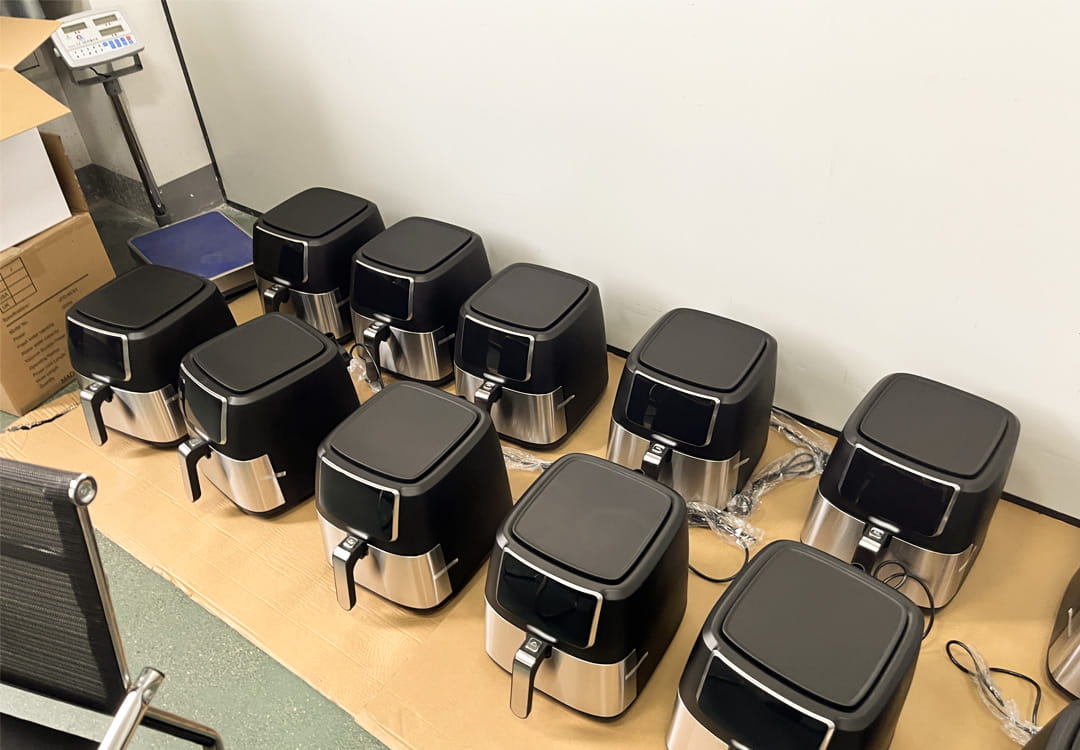
Aerocrisp manufacturing case in China
OEM production of multicookers in China
Product inspection at a factory in China
OEM manufacturing of home appliances in China
Factory inspection of a home appliance manufacturer in China
Audit of home appliance production in China
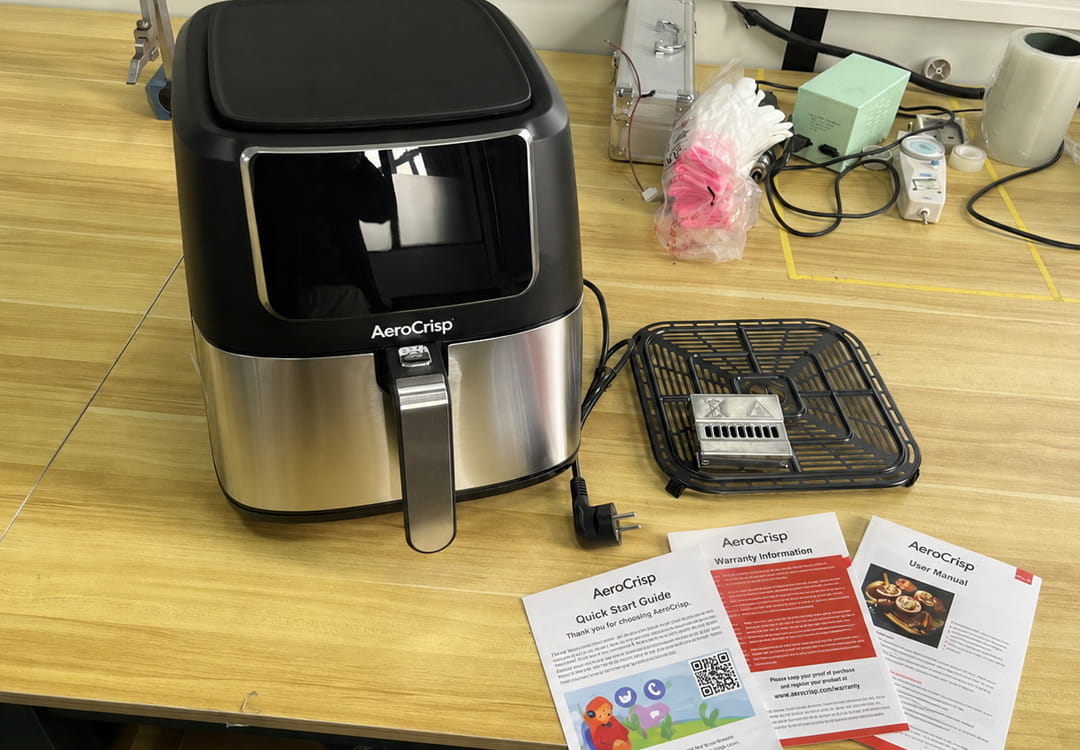
Testing AeroCrisp multicookers at a factory in China
AeroCrisp multicooker production case for the U.S. market

What the Client Receives After Product or Factory Inspection

The client needs not just a representative at the factory, but an evidence pack they can rely on when making a decision about the batch and negotiating with the supplier.
Inspection deliverables:
a QC checklist tailored to the specific product, SKU, packaging, and sales country;
a photo/video report from the factory, warehouse, packaging, labeling, and defects;
a defect table by category: Critical / Major / Minor;
measurement results, tests, weight checks, and completeness verification;
comparison of the batch against the Golden Sample, specification, and packing list;
the final PASS / FAIL / HOLD decision;
an action plan: ship, rework, withhold payment, conduct a reinspection, or revise the terms.

When Inspection Is Enough — and When You Need a Factory Audit in China

Situation
What to do
Why
First order from a new supplier
Supplier verification + FRI/PSI
You need to reduce both counterparty risk and the risk of the specific batch at the same time.
OEM/ODM, private label, packaging or mold development
Legal verification + factory audit + PPI/DUPRO/FRI
Mistakes at the start scale across the entire series and can be costly.
Repeat simple purchase from a verified supplier
Periodic PSI/FRI
Even a familiar supplier may change raw materials, subcontractors, or packaging.
Consolidated shipment from several factories
Goods inspection + loading supervision
The risk of mis-sorting, shortages, incorrect labeling, and substitution is higher.
Marketplace goods
Inspection of packaging, barcodes, SKU, and instructions
Even a good product can be blocked because of a labeling or packaging error.
Supplies to the EU/US with safety requirements
QC + document verification + compliance review
In the sales country, a significant share of responsibility for compliance, labeling, and product safety is usually assigned to the importer, distributor, or the person placing the product on the market. Specific requirements depend on the country and product category.

When Inspection Won’t Save You

Important: inspection reduces risk, but it does not replace deal management. If quality requirements were not fixed before the deposit was paid, there is no Golden Sample, no contract, no checklist, and the supplier has already received almost all the money, the inspector can only document the problem. In that situation, leverage over the factory is much weaker.
No approved sample: there is nothing to compare the production batch against.
No technical specification: a quality dispute turns into a matter of opinion.
No payment stop points: the supplier has already been paid and has no incentive to rework the batch.
Inspection was ordered after loading: the goods have already physically left the control zone.
The legal entity was not verified: the invoice, contract, and the actual factory may belong to different parties.

Legal Company Verification in China: Why It’s Needed Before Payment

Legal company verification in China is needed before the deposit, not after defects are found in the batch. Its purpose is to determine whether the company actually exists, whether the legal entity matches the one issuing the invoice, whether the counterparty is authorized to conduct the stated business, and who will bear contractual responsibility.
It is especially important to verify the legal side when manufacturing goods in China OEM/ODM, producing under a brand, developing packaging, molds, electronics, children’s products, certified goods, and any project involving the transfer of design, drawings, brand assets, or a significant deposit.
What needs to be done as part of legal verification of a Chinese counterparty:
check the business license and registration data;
verify that the company name matches across the invoice, contract, and license;
determine whether it is a factory, trading company, or intermediary;
record quality, packaging, timing, and liability terms in the contract;
use a bilingual contract with the Chinese version if a dispute may potentially be resolved in China.
Basic registration data for a Chinese company is verified through the National Enterprise Credit Information Publicity System of China — the official state GSXT registry.

What data is needed to calculate an inspection

To choose the right inspection format, you do not need to fill out a complicated form. Basic project details are enough. We will structure them into a working QC plan for the upcoming audit.
Data
Why it is needed
Product, photos, links, specification
To understand which parameters are critical: size, weight, material, color, functionality, safety.
Quantity, SKU, packaging
To determine the sample size, mis-sorting risks, and labeling requirements.
Production stage
To choose PPI, DUPRO, FRI/PSI, or loading supervision.
Supplier and factory address
To assess the feasibility of an on-site visit, verify the company, and arrange access to the batch.
Destination country
To account for labeling, documents, marketplace requirements, and EU/US or local market rules.
Payment terms
To understand whether there is a stop point before the final balance and whether the report can be used as leverage in negotiations.

Sample Structure of a QC Inspection Report 

A high-quality inspection report should do more than just let you “look at photos” — it should support a management decision before the balance payment is made. That is why the structure of the report matters just as much as the inspector’s actual visit to the factory.
Report Section
What Is Recorded
Why It Matters to the Importer
Batch Data
Supplier, factory address, inspection date, product, SKU, quantity, production stage.
To understand exactly which batch was inspected and whether the report can be used in negotiations.
Sampling Method / AQL
Batch size, sample size, acceptable defect levels for Critical / Major / Minor.
So that the PASS / FAIL decision does not look like the inspector’s subjective opinion.
Batch Photos and Video
Boxes, pallets, labeling, sampled units, packaging, warehouse, storage conditions.
To obtain evidence, not just a text description from the supplier.
Product Inspection
Appearance, dimensions, weight, materials, functional tests, completeness check and comparison with the Golden Sample.
To identify discrepancies before shipment, not after goods are received at the warehouse.
Packaging and Labeling
SKU, EAN/UPC, instructions, country of origin, warnings, certification marks.
To reduce the risk of problems at customs, in the warehouse, on the marketplace, or with the end customer.
Defect List
Photos of each defect type, defect category, number of issues found, inspector’s comments.
To request rework, replacement, a discount, a reinspection, or payment withholding.
Final Decision
PASS, FAIL, or HOLD + recommended actions.
So the client has a clear stop point: pay, rework, recheck, or stop shipment.
What Does a QC Report Look Like?
We record the results against the checklist and provide recommendations and a corrective action plan so the batch is delivered without surprises.
Available report languages: UA / RU / EN / CN

What the correct product and factory inspection process in China looks like

Project data collection

product, quantity, SKU, supplier, production stage, destination country, packaging and labeling requirements.

Choosing the inspection type

 legal verification, factory audit, PPI, DUPRO, FRI/PSI, or CLI.

Preparing the QC checklist

technical parameters, acceptable tolerances, AQL, reference sample photos, test requirements.

Confirming the date with the supplier

the factory must prepare the goods, documents, and access to the batch.

Conducting the inspection

sampling, measurements, tests, photo/video, defect recording.

Report and decision

PASS, FAIL, or HOLD; ship, rework, sort, or withhold payment.

Defect action plan

replacement, repair, reinspection, discount, repackaging, or shipment hold.

Dmytro Belousov’s advice on inspections in China

Easy China Business Expert Commentary

In our practice, factory verification in China and batch inspection only work when they are built into the deal system: the counterparty is verified before the deposit, the specification and Golden Sample are fixed before launch, control points are set during production, and before the balance payment the client receives a report and a decision.
We do not treat inspection as a separate “person with a phone at the factory.” For B2B supply, what matters is a system: supplier verification before payment, legal linkage to the company, a product-specific checklist, production control points, photo/video evidence, and a clear decision on the batch.
QC is not about “finding defects for the sake of defects,” but about giving the importer a management decision: pay, rework, hold the balance, conduct a reinspection, or stop shipment. This approach turns China from chaos into a controlled process.

What strengthens control in a project:

project brief and batch route;
Glass-Box Ledger: money structure — factory, logistics, support;
bilingual CN + EN/RU contract with priority given to the Chinese version;
inspection and control-point plan;
QC checklist and evidence-based report;
decision on the batch before final payment and shipment.

Why Quality Control in China Should Be Part of a System

A one-time quality inspection in China is useful, but the greatest effect comes from a system: supplier verification before payment, factory audit before scaling, PPI for new products, DUPRO for large batches, PSI/FRI before shipment, and CLI during loading. 

This structure turns procurement from “let’s hope everything will be fine” into a controlled, evidence-based process.

For a mature B2B importer, inspection is not an extra safety expense. It is a way to protect margin, timelines, reputation, and customer relationships.

If a batch is worth tens of thousands of dollars, saving on one inspector day looks cheap only until the first defective container arrives.

Common Mistakes Importers Make

Ordering inspection too late, when the goods are already loaded or the supplier is demanding final payment.
Not providing a checklist, so the inspector checks “in general” instead of the commercially critical parameters.
Assuming a factory audit replaces product inspection, even though these are different levels of control.
Relying on supplier photos, even though the supplier shows only what they want to show.
Saving on supplier verification, then discovering they paid an intermediary with no real influence over the factory.
Not fixing the Golden Sample, so a quality dispute turns into a dispute of opinions.
Not checking packaging and labeling, even though these are the mistakes that most often create problems at customs, in the warehouse, or on the marketplace.

Practical recommendation: for a first order from a new supplier, the minimum safe setup is supplier verification + FRI/PSI. For OEM/ODM and private label, it is legal company verification + factory audit + PPI/DUPRO/FRI. For high-value or consolidated shipments, add CLI/CLS during loading.


We arrange product and factory inspections in China tailored to your project

Need a product, supplier, or factory inspection in China?


Easy China Business helps B2B companies arrange product inspection in China, factory audits, pre-shipment inspections, loading supervision, and supplier legal verification before payment. We do not work as “a person in chat,” but as a control system: checklist, photo/video evidence, report, recommendations, and a clear decision on the batch.

FAQ: 12 Common Questions About Product and Factory Inspection in China

When do you need product inspection in China?

Inspection is needed before the final payment and shipment, especially for a first order, a new factory, OEM/ODM, a high-value batch, or products with packaging, labeling, and safety requirements.

What is better: product inspection in China or a factory audit?

These are different tasks. A factory audit shows whether the supplier can consistently produce the product, while product inspection checks a specific batch before payment and shipment.

Can a supplier in China be verified remotely?

Partially, yes: documents, business license, registration data, website, history, and communication. But the workshop, warehouse, equipment, and the real state of production are better verified through an on-site audit.

What does the inspector check during product inspection?

The inspector checks quantity, appearance, dimensions, weight, completeness, functionality, packaging, labeling, barcodes, instructions, and conformity with the Golden Sample or technical specification.

What is AQL in product inspection?

AQL is the acceptable quality level in a sample inspection. It defines the sample size and the allowable number of defects, but it does not mean checking every unit of the product.

What do PASS / FAIL / HOLD mean in a QC report?

PASS — the batch passed inspection, FAIL — the batch does not meet the criteria, HOLD — the decision is suspended pending clarification, additional photos, tests, or rework by the supplier.

When is FRI or PSI enough?

FRI/PSI is usually enough for a simple finished batch from a reliable supplier, when the goods have already been produced and you only need to verify quality, quantity, packaging, and labeling before paying the balance.

When is DUPRO needed during production?

DUPRO is needed for complex products, large batches, first orders, tight deadlines, or the risk of systemic defects. In-process inspection helps stop mistakes before the entire batch is completed.

When is container loading supervision needed?

Loading supervision is needed for high-value batches, multiple SKUs, consolidated cargo, or a risk of mis-sorting or substitution. The inspector records cartons, quantity, packaging condition, the loading process, and the seal number.

Does inspection in China guarantee zero defects?

No. Inspection reduces risk and provides evidence for decision-making, but sample inspection is not the same as 100% control. Zero-tolerance projects require full control or an enhanced QC protocol.

What should be included in an inspection report?

The report should include batch data, a checklist, the sampling method or AQL, photos/videos, test results, defects by category Critical / Major / Minor, and the final PASS / FAIL / HOLD decision.

What data is needed to prepare an inspection plan?

You need links to the product or supplier, the specification, quantity, photos or a sample, production stage, destination country, packaging/labeling requirements, and the batch value.
Logo
A Company with Extensive Wholesale Experience
Wholesale Supply from China - Easy China Business
Instagram channel Easy China Business
Facebook channel Easy China Business
YouTube channel Easy China Business
Telegram channel Easy China Business
No. 39 Liu Hua Road, 2nd Floor, Liwan District, Guangzhou, Guangdong Province, 510000, China, Office E-12
Working Hours: Mon-Fri 09:00 to 17:00 GMT+3, Sat-Sun — Closed.

Guangzhou Easy China Business Address:
  • About Us
  • Logistics
  • Services
  • Reviews
  • Guarantees
  • FAQ
  • Careers
  • Public Offer
  • Privacy Policy
Logo
Guangzhou Easy China Business Address:
广州市荔湾区流花路39号, 二楼 
510000, China, Guangdong province, Guangzhou, Liwan District, Liu Hua Road 39, office E-12
Working hours: Mon-Fri from 09:00 to 17:00 GMT+3, Sat, Sun - closed.

Instagram channel Easy China Business
Facebook channel Easy China Business
YouTube channel Easy China Business
Telegram channel Easy China Business
  • About Us
  • Logistics
  • Services
  • Reviews
  • Guarantees
  • FAQ
  • Careers
  • Public Offer
  • Privacy Policy
Get a Product & Factory Inspection Plan
Send us a product, factory or supplier link, specify the production stage and destination country. We’ll advise whether FRI/PSI is enough or whether you should add a factory audit, DUPRO inspection and container loading control.
Choose the option linked to your phone number
Select the estimated purchase or production budget
Specify the country where the cargo will be delivered
Send a product, supplier or factory link, Alibaba/1688 page, photos, technical specifications, or describe the task: product inspection, factory audit, supplier verification, packaging and labeling check, or container loading control.

By submitting this form you agree to our Privacy Policy

EN
UA
RU
  • Blog
  • Case Studies
  • Reviews
  • Payment
  • Guarantees
  • FAQ Answers
  • Public Offer
  • 2026 Calendar
  • LOGISTICS »
  • SERVICES IN CHINA »
  • ABOUT THE COMPANY »
  • AI ASSISTANTS »
  • Poland
  • EU Countries
  • USA
  • Ukraine
  • Czech Republic
  • The delivery country and regional site settings will be changed
  • Select your regional site version ↓
  • Global
  • United Kingdom
  • Germany
  • Spain
  • Canada
EN
UA
RU
EN
UA
RU

Back

  • LOGISTICS ↓
  • Air Freight
  • Rail Freight
  • Sea Freight LCL
  • FCL Container Shipments
  • Multimodal Transport
EN
UA
RU

Back

  • SERVICES IN CHINA ↓
  • Product & Factory Sourcing in China
  • Contract Manufacturing in China
  • Product Inspection & Factory Audit
  • Procurement Outsourcing in China
  • China Purchasing Agent
  • Marketplace Seller Services in China
  • China Business Trip Support
  • China Export Agent Service
EN
UA
RU

Back

  • ABOUT US ↓
  • About the Company
  • Team
  • Vacancies
  • Contacts
  • Partners
  • Cooperation
EN
UA
RU

Back

  • AI SERVICES ↓
  • AI Idea Generator
  • AI Exhibition Search Assistant
  • Virtual Logistician
  • Volume and Density Calculator
  • Container Loading Calculator
  • Poland
  • EU Countries
  • USA
  • Ukraine
  • Czech Republic
  • The delivery country and regional site settings will be changed
  • Select regional site version ↓
  • Global
  • United Kingdom
  • Germany
  • Spain
  • Canada
EN
UA
RU
EN
UA
RU
  • Blog
  • Cases
  • Reviews
  • Payment
  • Guarantees
  • FAQ Answers
  • Public Offer
  • 2026 Calendar
  • LOGISTICS »
  • SERVICES IN CHINA »
  • ABOUT THE COMPANY »
  • AI ASSISTANTS »
EN
UA
RU

Back

  • LOGISTICS ↓
  • Air Freight
  • Rail Freight
  • Sea Freight LCL
  • FCL Container Cargo
  • Multimodal Transportation
EN
UA
RU

Back

  • SERVICES IN CHINA ↓
  • Product & Factory Sourcing
  • Contract Manufacturing in China
  • Product Inspection, Factory Audit
  • Procurement Outsourcing in China
  • China Purchasing Agent
  • Marketplace Seller Services
  • China Business Trip Support
  • China Export Agent Service
EN
UA
RU

Back

  • ABOUT THE COMPANY ↓
  • About Us
  • Team
  • Careers
  • We're in the Media
  • Contacts
  • Partners
  • Cooperation
EN
UA
RU

Back

  • AI SERVICES ↓
  • AI Idea Generator for Private Labels
  • AI Exhibition Search Assistant
  • Virtual Logistician
  • Volume and Density Calculator
  • Container Loading Calculator